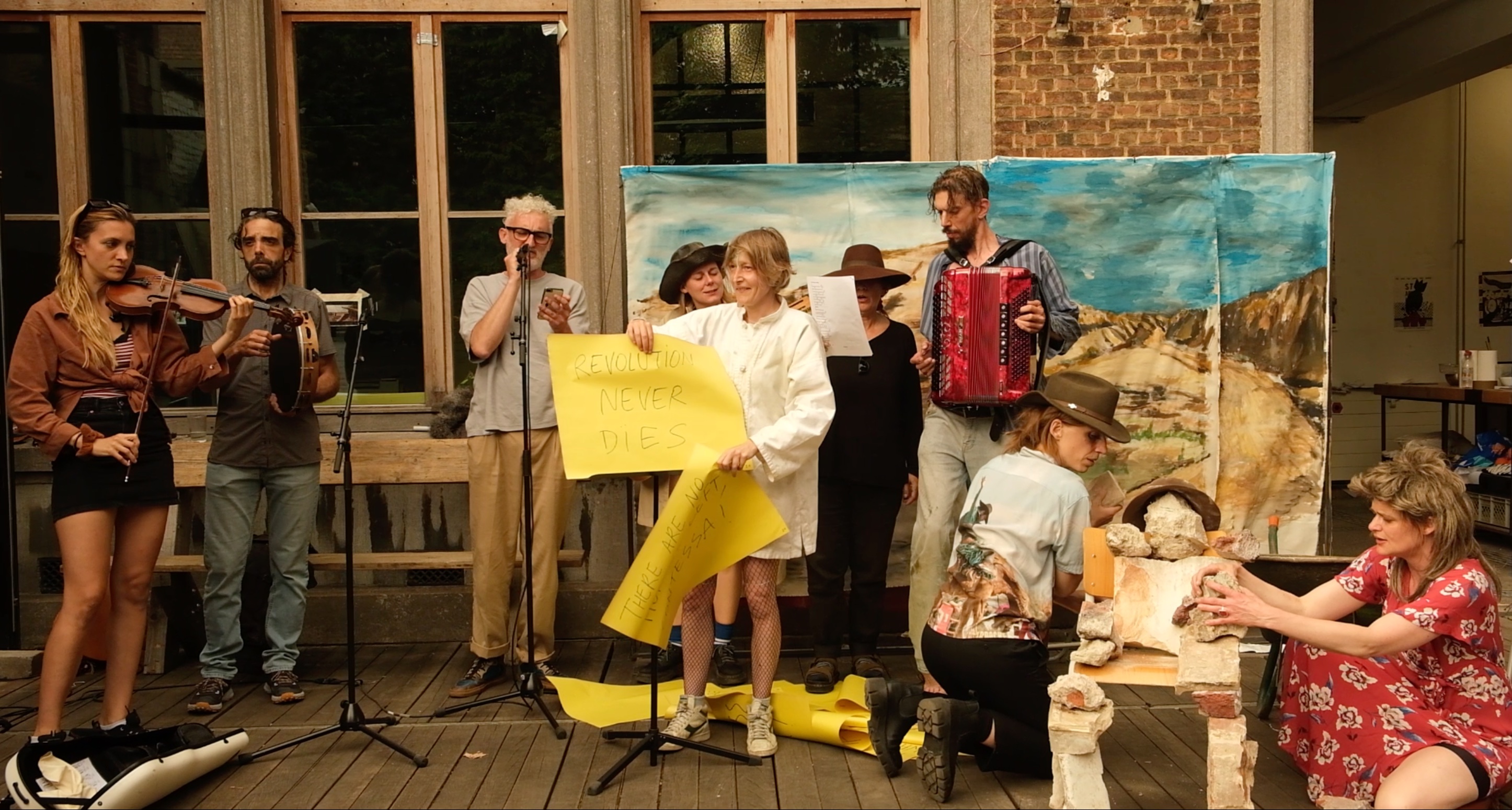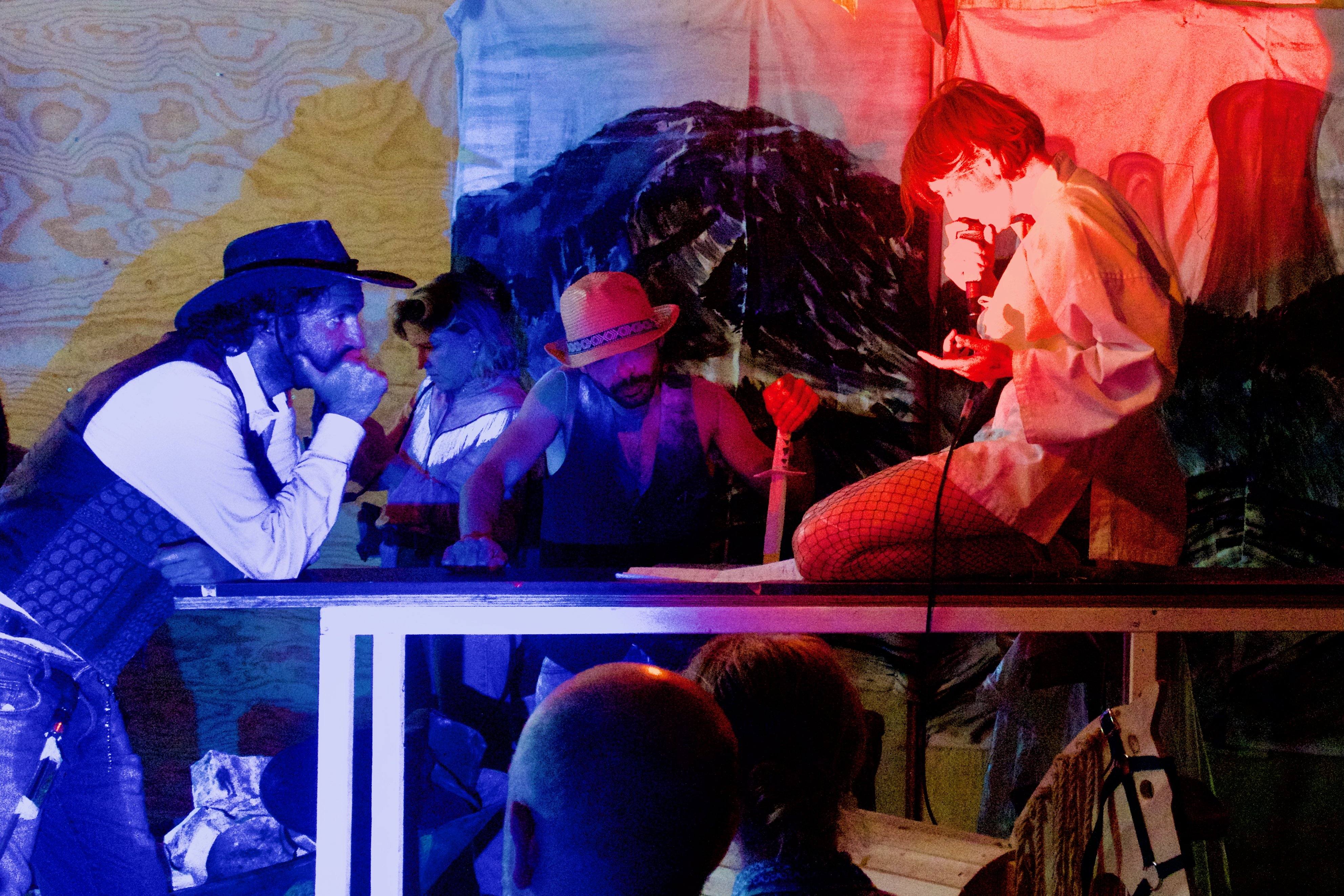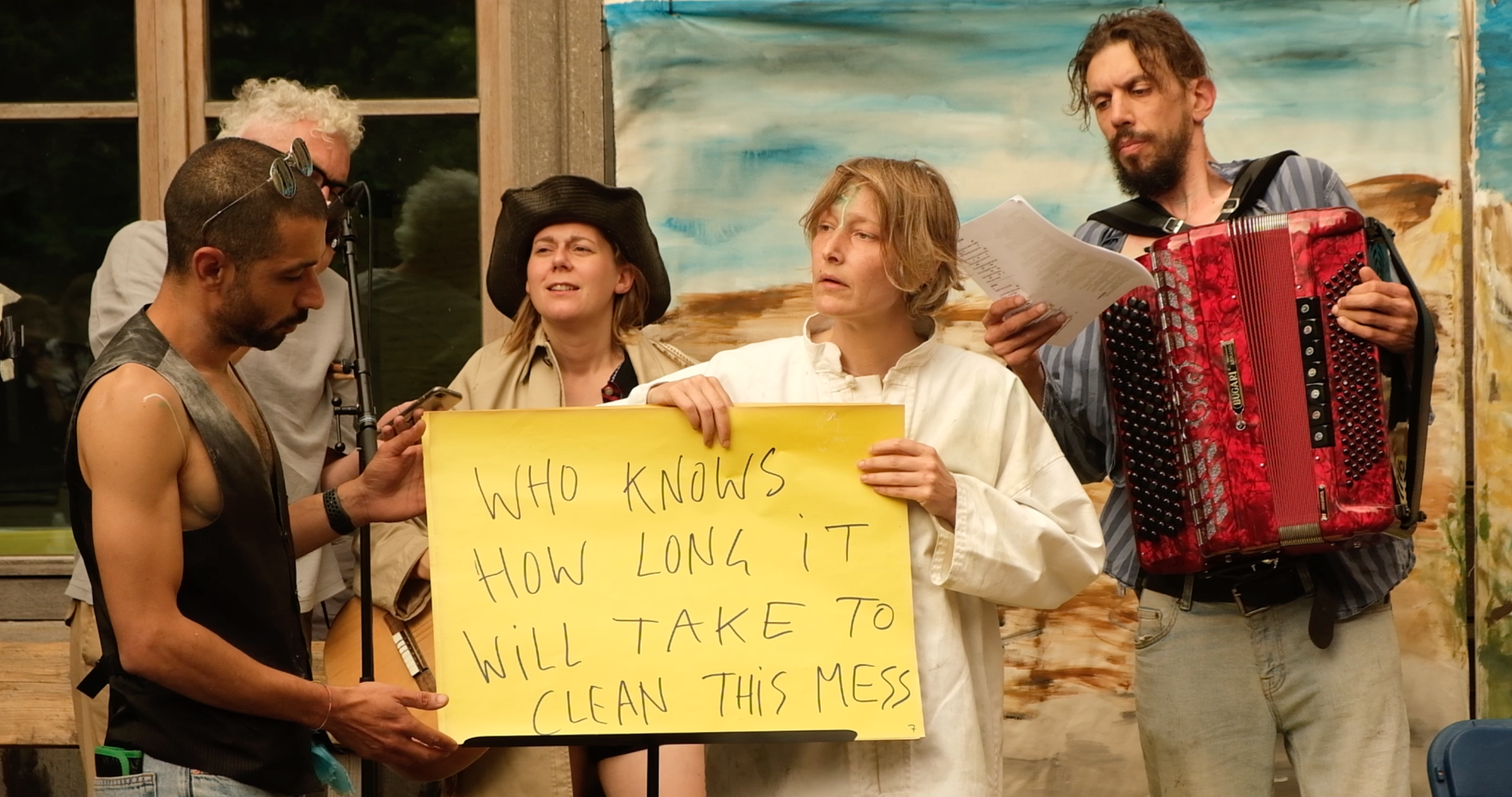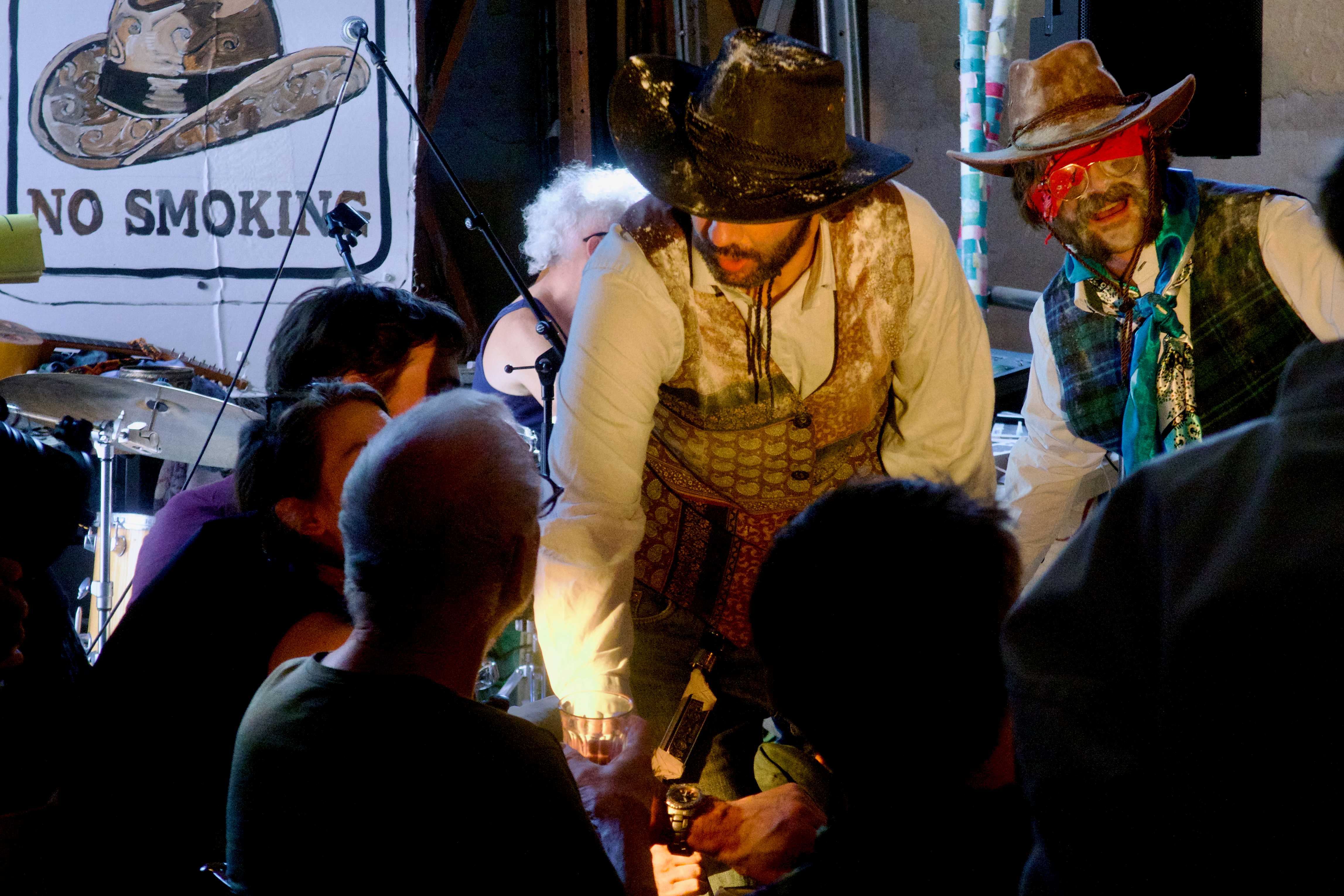
”A little more than half a century after the heyday of the Spaghetti Western, it seems to me that it’s time to make another one. In an age in which we are surrounded by violence and aggression but at the same time every slap in a work of fiction requires a trigger warning, we want to examine the hypocrisy of Western policy, the new imperialism, (the growing taboo around) violence, and the new (puritanical) morality that tries to gloss over the West’s glaring lack of ethics, by making a theatrical Spaghetti Western set in 2026.” – Aurelie Di Marino
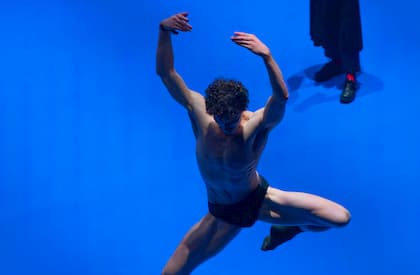
With Spaghetti Western, performers and theatre makers Aurelie Di Marino, Renée Goethijn, Femke Stallaert, Michiel Soete, Oscar Briou, Edoardo Ripani, Oxana Sankova, Atta Nasser, Nona Buhrs, Roel Faes, Paola Bartoletti, Yuni Mahieu, Giovanni Barcella, Kaat Arnaert, Tomas Pevenage, Anne-Catherine Kunz and Anthony Chang draw inspiration from the Italian film genre of the same name, the subversive counterpart to the classic American Western that reached its peak in the late 1960s.
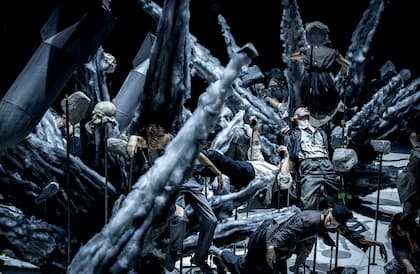
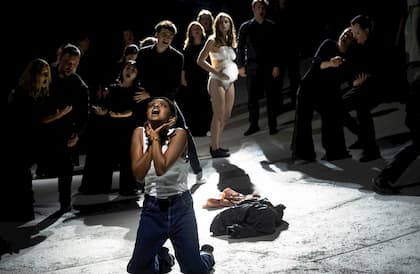
Amid dirty plates, empty bottles, and shattered glasses, a world of cowboys, outlaws, heroes, and antiheroes unfolds. Someone’s head is smashed in, just because. Christ’s cross is blasted apart, and from its fragments a duel emerges. Beginning with a prologue steeped in violence and cliché, Spaghetti Western exposes the hypocrisy of contemporary neo-imperialist Western policies. The result is a satirical, epic-historical deconstruction of our (so called) postwar history.
Downloads
director
- Aurelie Di Marino & Renée Goethijn
van en met
- Aurelie Di Marino
- Renée Goethijn
- Tomas Pevenage
- Kaat Arnaert
- Femke Stallaert
- Michiel Soete
- Oscar Briou
- Edoardo Ripani
- Oxana Sankova
- Atta Nasser
- Nona Buhrs
- Roel Faes
- Paola Bartoletti
- Giovanni Barcella
- Yuni Mahieu
- Anthony Chang
- Anne-Catherine Kunz
- Naomi Heimann
- Bente Vennekens
- Kim Aartbeliën
- Els Petrus
production
- Kunstenwerkplaats
coproduction
- Toneelhuis
- De Grote Post
- Kaaitheater
- Monty
with the support of
- de Vlaamse Gemeenschap
- de Tax Shelter maatregel v/d Belgische federale overheid via Gallop Tax Shelter
thanks to
- NTGent
- De Brakke Grond
- KVS