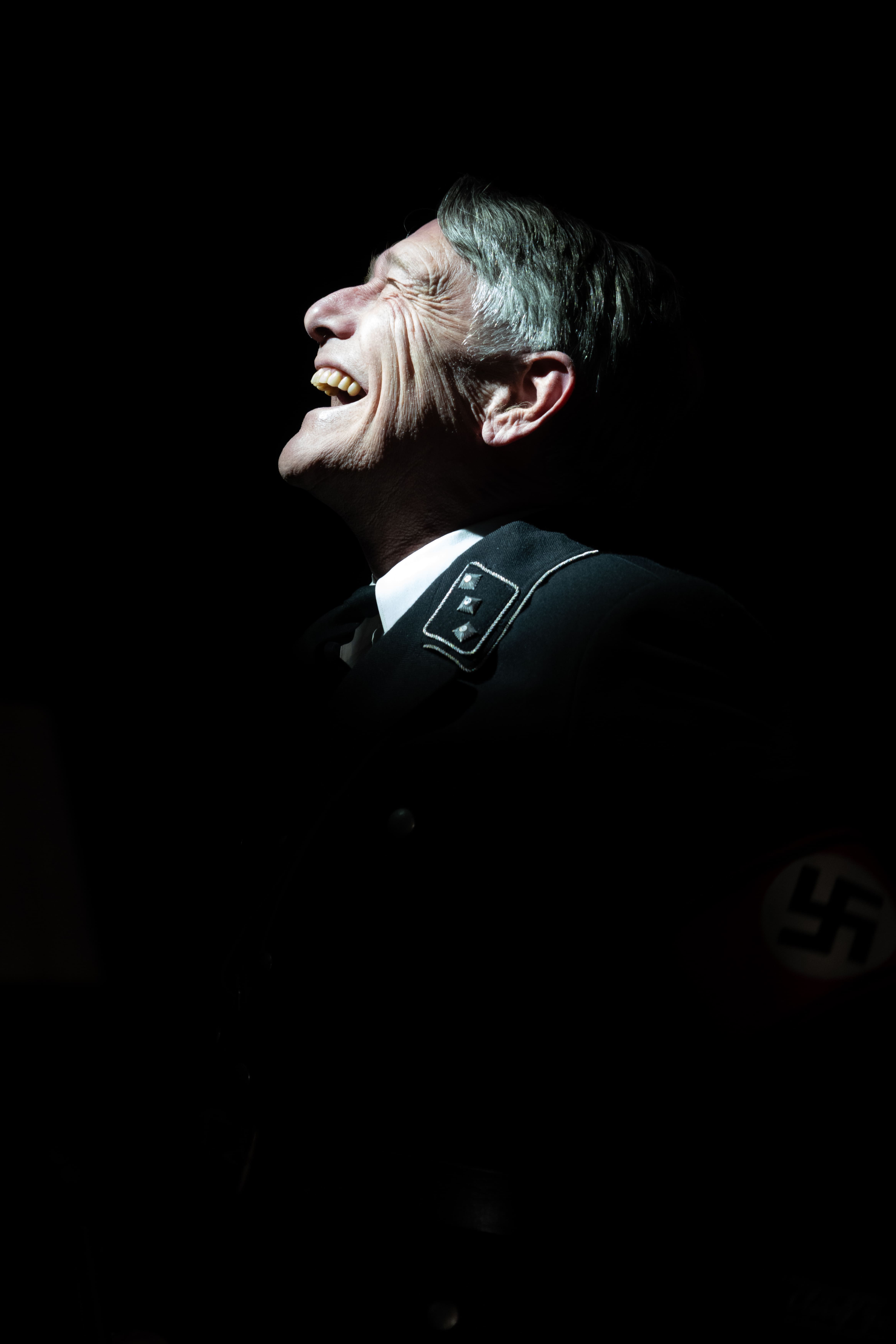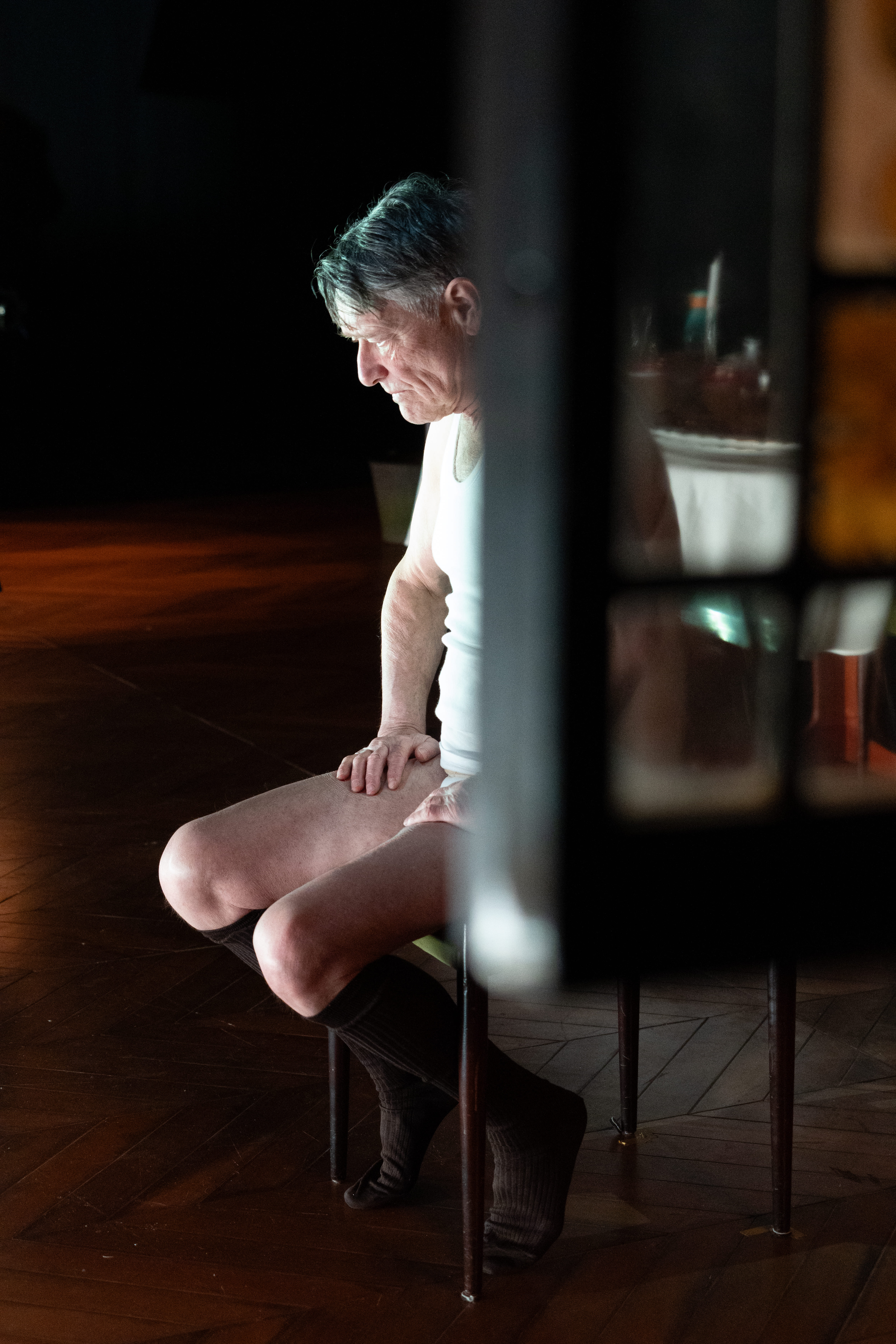
Austrian playwright Thomas Bernhard (1931-1989) said Voor het pensioen (komedie van de Duitse ziel) from 1979 (published in English as Eve of Retirement) was the best play he had ever written. It is a black and vicious comedy about a society that remains haunted by its far-right past.
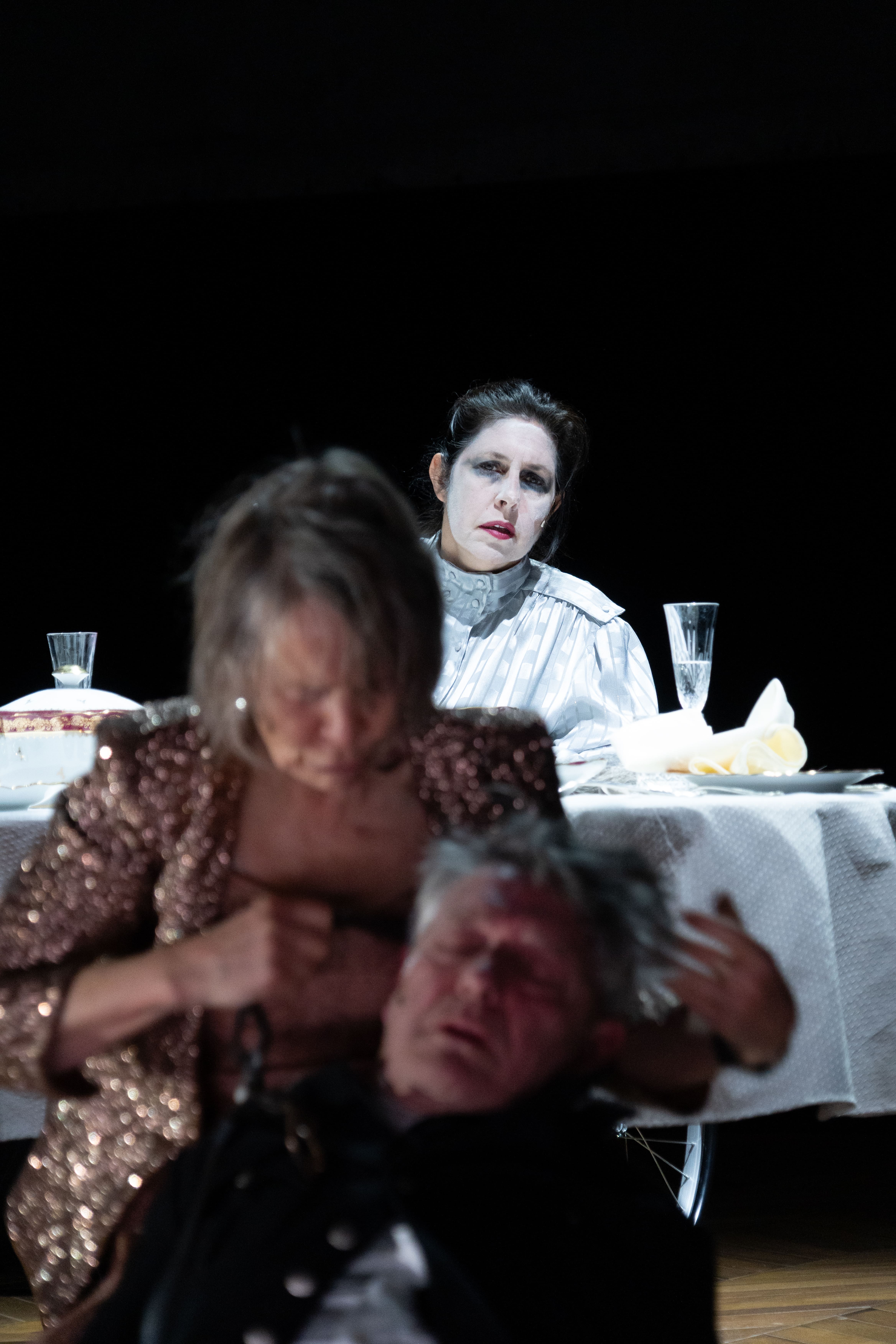
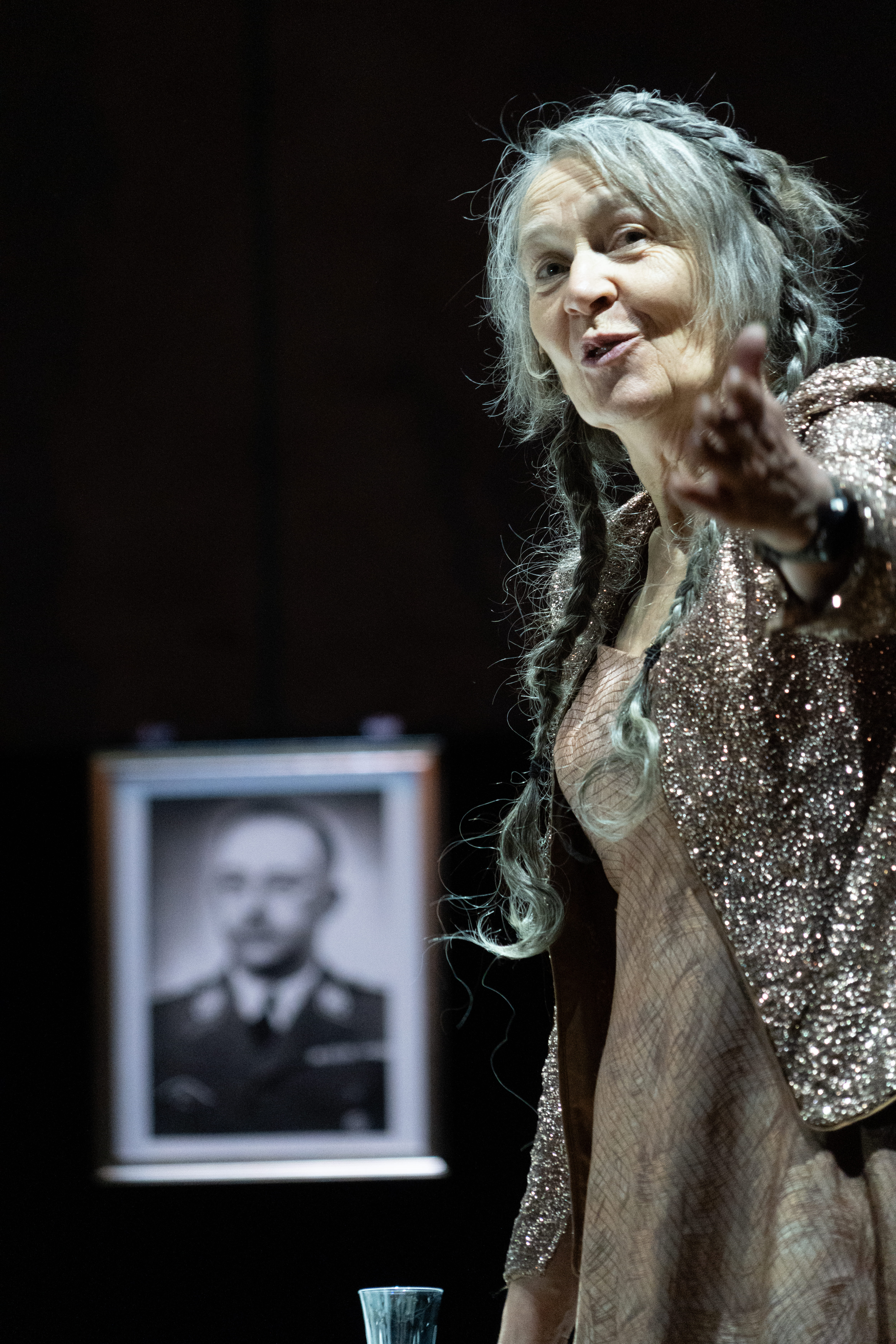
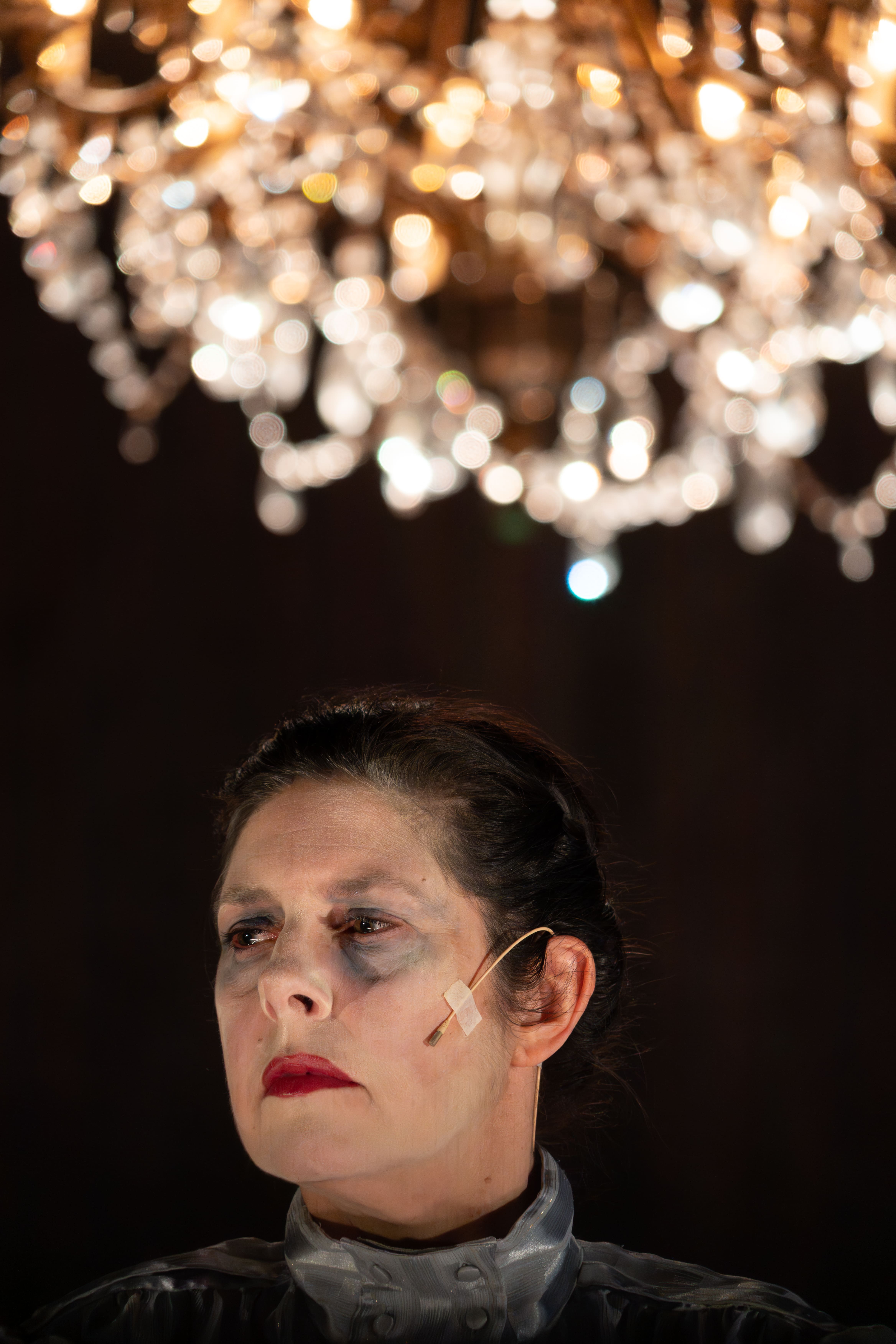
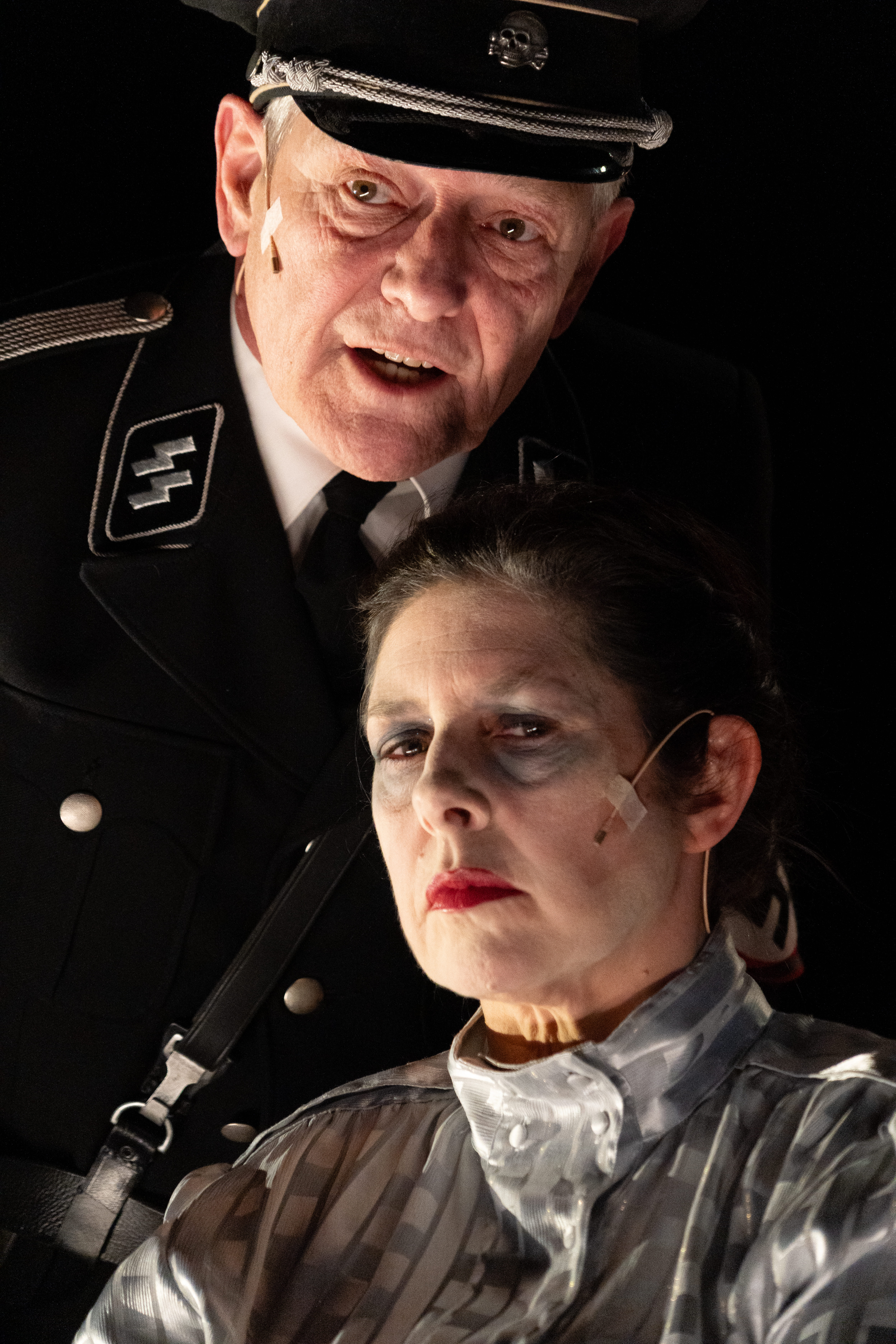
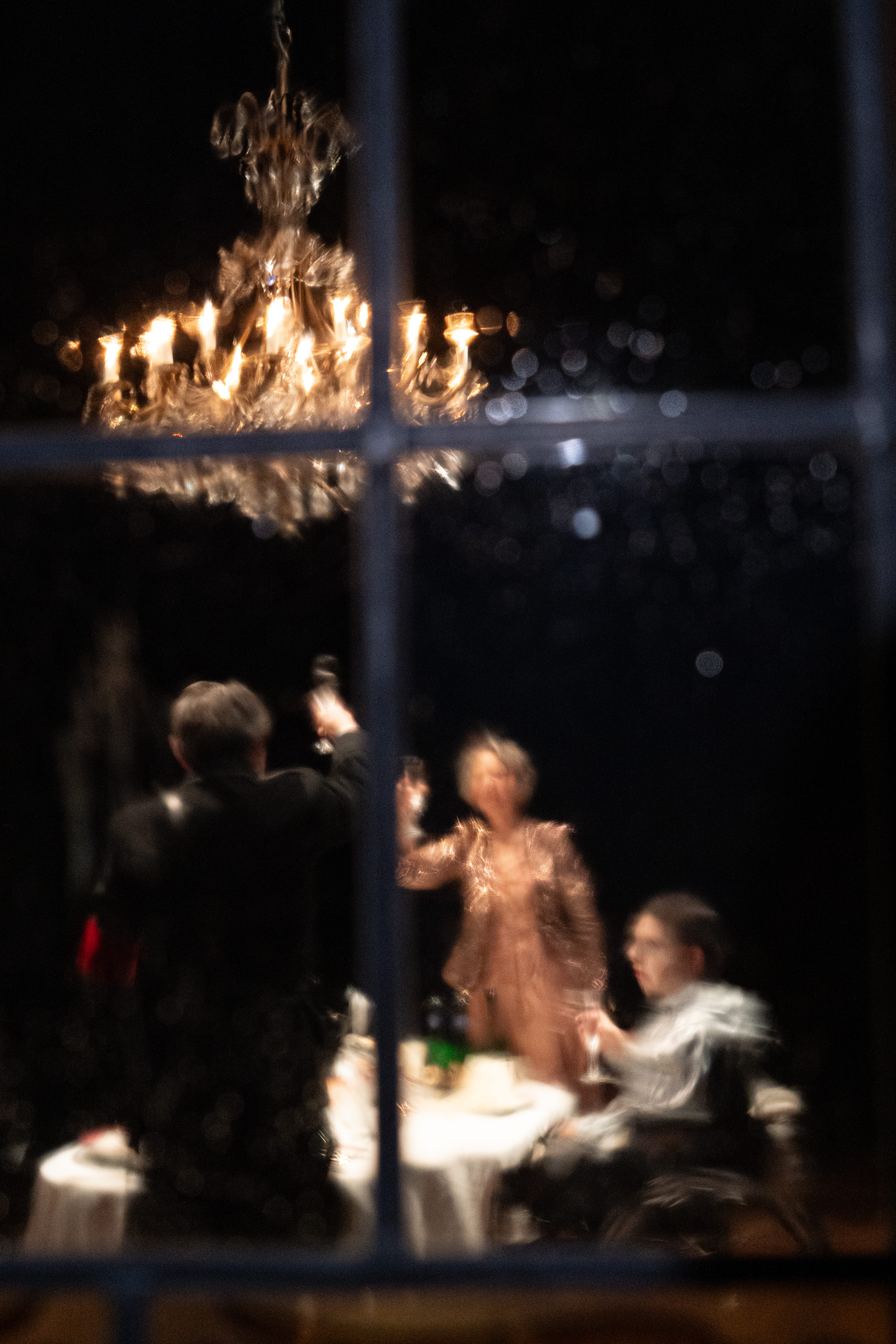
The play is set in the home of the Höller family on 7 October, the birthday of Heinrich Himmler, former SS leader. Rudolf Höller, at one time a camp commandant and for years a respected Chief Justice, is almost about to retire. The 7th of October is a very special day for Rudolf and his sister Vera. Their younger sister Clara, who is confined to a wheelchair, remains on the sidelines of this celebration. She is bowed down by the weight of the past and looks on sorrowfully as her family accepts the atrocities with open arms.
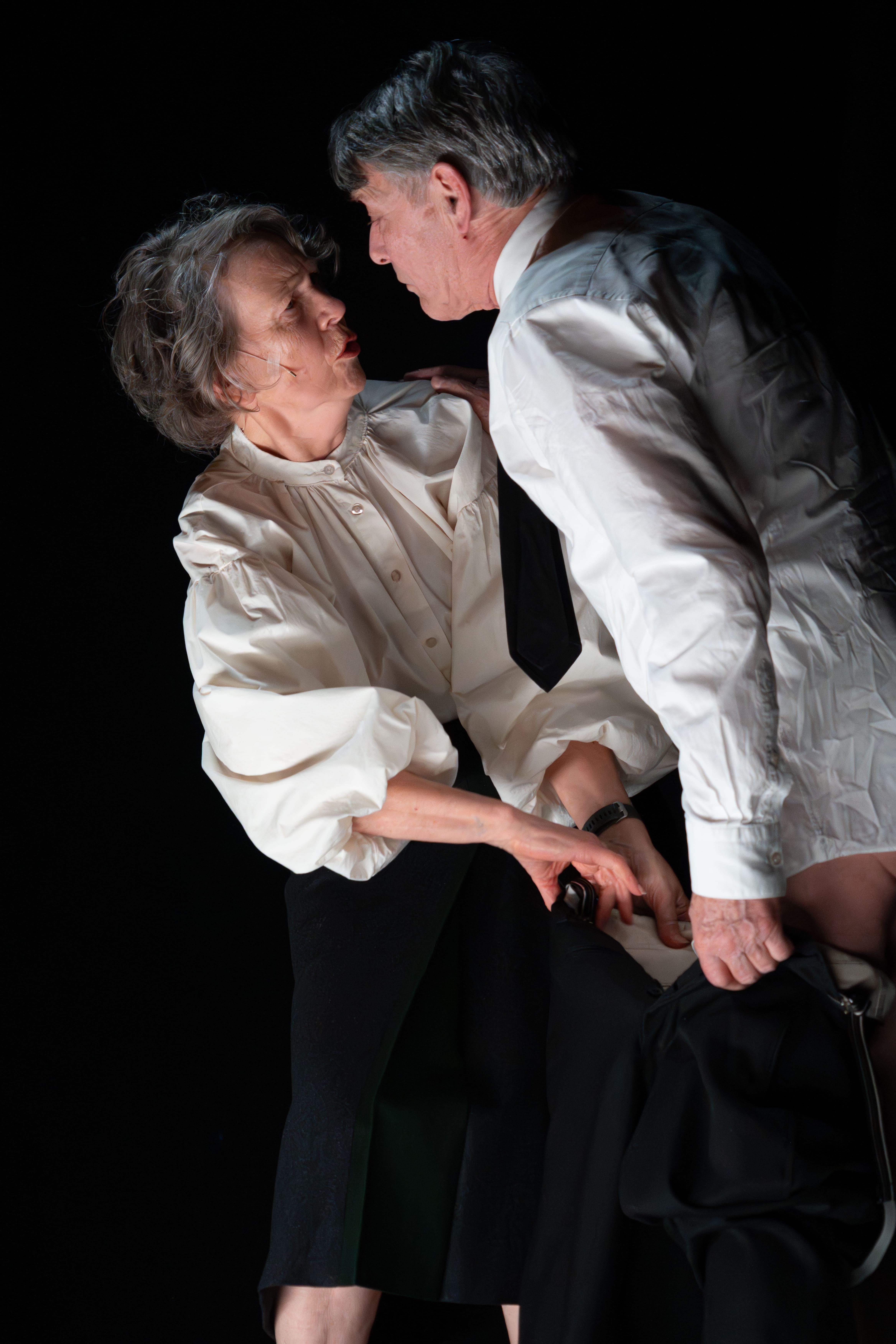
An ideological power game unfolds in the claustrophobic and incestuous home of the Höllers. A celebration based on guilt, resentment, denial and moral deterioration. And family ties that never can be broken.
In Voor het pensioen, Bernhard charts postwar Germany’s impotence and hypocrisy with respect to its own Nazi past, its silence on its war culpability. He vents his revulsion via the alarming far-right rhetoric of his hard-line characters. At the same time, Bernhard concludes that we ourselves may not be much better.
Tom Dewispelaere’s choice of this play did not come out of the blue. The specific provocation was the disturbing normalization of a vocabulary and body of thought that is the direct successor to the far-right extremism of the 1930s and 40s. Many statements that we thought had been banished to the fringes of our political culture are once again at the centre of social discourse.
With Voor het pensioen, Thomas Bernhard gives us more than a history lesson. It is an invitation to keep thinking about how the shadows of the past continue to haunt us in the present. And how far people can go in their search for something to hold onto.
"With ‘Voor het pensioen’, Olympique Dramatique trains the searchlights on clandestine Nazi-ism: aggrieved, duplicitous and trigger-happy…"
"Tom Dewispelaere directs a trio of actors at Toneelhuis who excel at being cruel to each other. Dark comedy or red-hot alarm?"
"Voor het pensioen paints a grim postwar picture of ideology, power and moral decay that sounds disturbingly apropos today. Olympique Dramatique translates that into two hours of relevant text-based theatre, driven by excellent performances."
"Everything feels claustrophobic and uncomfortable. Nonetheless, this is a good production, because it examines moral decay and shows how toxic something can become when you dwell on it with too much disappointment, because then you reach a point of no return."
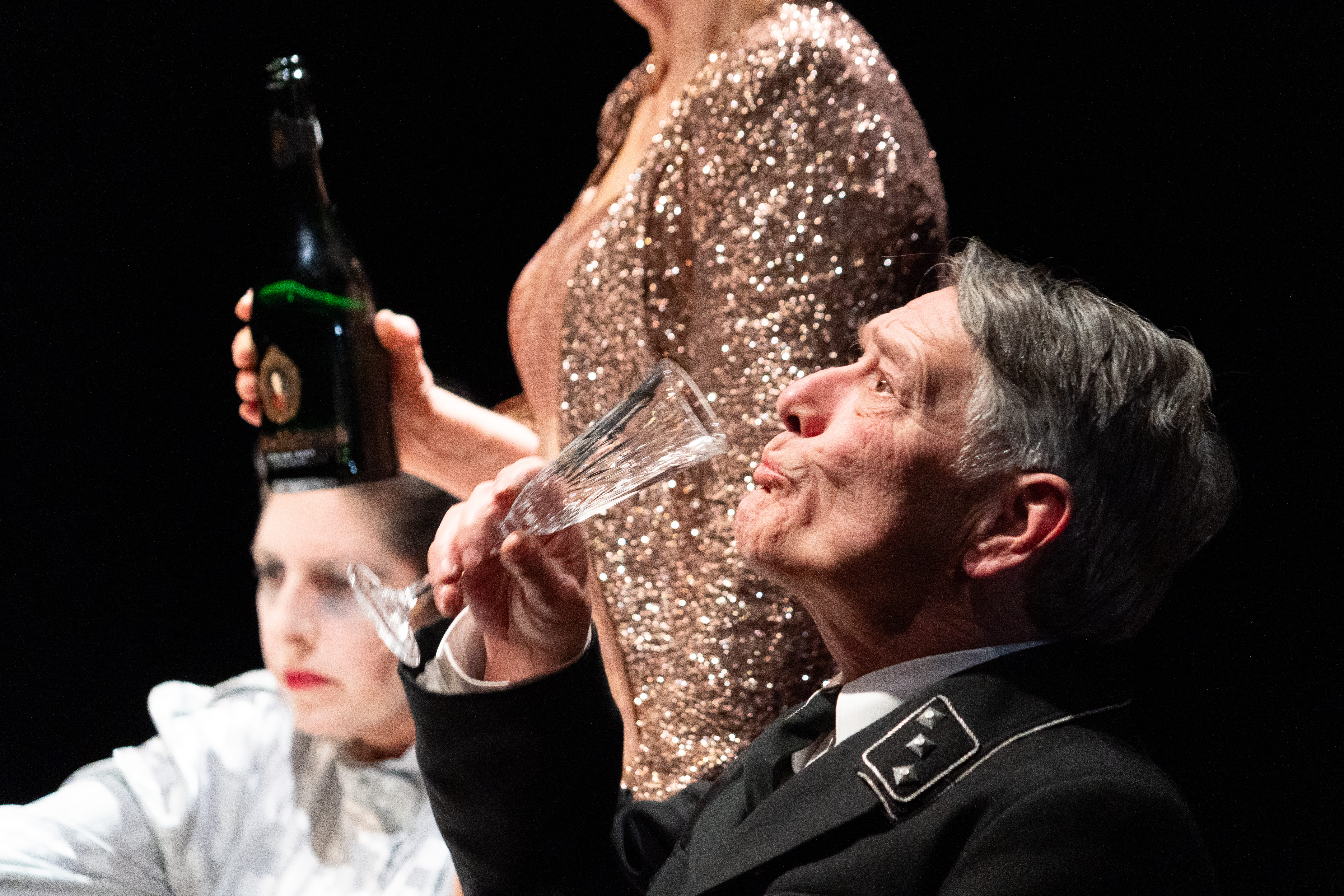
"Rudolf (Pierre Bokma), in his increasing drunkenness, evolves from a foolish pedant to a powerful demagogue. More and more, his voice and his hairdo become creepily reminiscent of the screeches of the Führer himself. It makes you really feel ill at ease."
"I think we are living in a particularly strange and dangerous time, and I think we Europeans should not remain silent, but take a standpoint. That’s also what Bernard tells us: Look at the past in order to reshape the future. Look at where we come from. Do we want to go back to that? Identify what fanaticism is in today’s world, what fascism is. I hope shows like this can contribute to that in some small way."
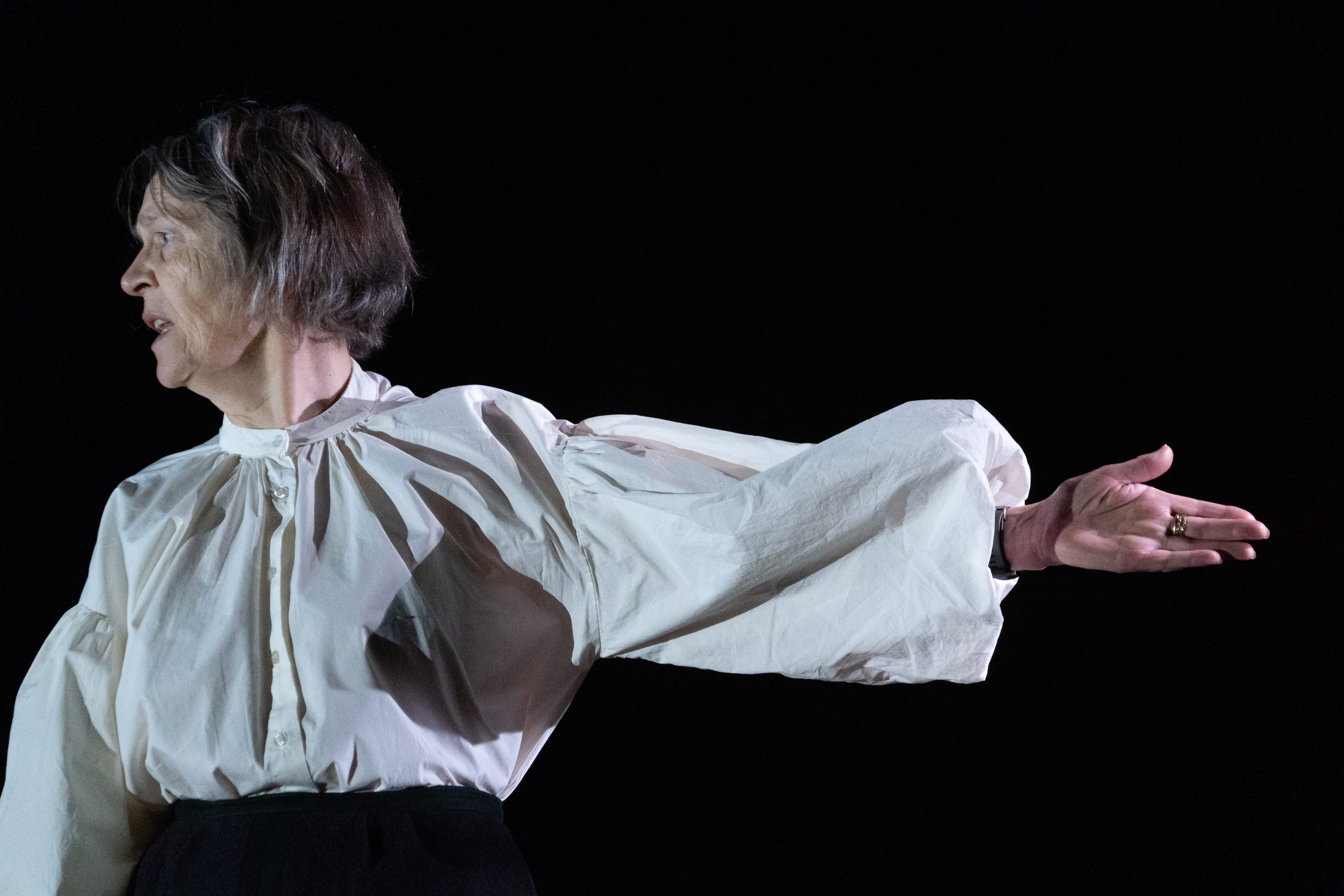
"With Voor het pensioen , Olympique Dramatique has produced a strong piece of text-based theatre. Pierre Bokma, Tiny Bertels and Katelijne Damen deliver powerful performances that leave you gasping for breath."
Downloads
text
- Thomas Bernhard
Nederlandse vertaling
- Hans w. Bakx
director
- Tom Dewispelaere
directing assistance
- Francis Geeraert
- Stijn Van Opstal
performance
- Pierre Bokma
- Tiny Bertels
- Katelijne Damen
light design
- Fabiana Piccioli
costume design
- Ilse Vandenbussche
sound design
- Diederik De Cock
video design
- Bram Delafonteyne
design
- Bram Delafonteyne
- Tom Dewispelaere
production
- Toneelhuis
- Olympique Dramatique
with the support of
- de Tax Shelter maatregel v/d Belgische federale overheid via Gallop Tax Shelter